How Memory Foam Is Changing Sleep for Pakistanis in 2026
How Memory Foam Is Changing Sleep for Pakistanis in 2026
As we move through 2026, the definition of wellness in Pakistan is expanding far beyond diet and exercise to include the foundational quality of our rest. For many, the search for a healthier lifestyle starts in the bedroom. In this evolving landscape, memory foam technology has emerged as a significant solution for individuals looking to improve their sleep hygiene and manage posture-related discomfort.
How exactly does memory foam technology work, and how is it transforming sleep health across Pakistan?
Here is everything you need to know.
Nationwide Orthopedic Crisis: Understanding the Growing Need
In Pakistan, musculoskeletal pain, especially in the back, neck, and joints is becoming increasingly common across all age groups, from seniors to corporate professionals and students. Physical recovery and sleep quality are deeply interconnected; if the body is not adequately supported at night, daytime pain frequently intensifies.
Current data highlights the scale of this issue within the country:
· Over 40% of adults in Pakistan report experiencing chronic musculoskeletal pain.
· 1 in 3 Pakistani seniors suffers from arthritis, significantly impacting daily activities.
· Around 60% of office workers report posture-related back pain directly linked to poor workplace ergonomics.
Addressing these chronic issues requires more than a traditionally "soft" bed; it demands a sleep surface engineered to provide structured support while actively relieving pressure points.

What Is Memory Foam Technology?
Memory foam, scientifically known as viscoelastic foam, is a material engineered to react to both pressure and temperature. When you lie on it, the foam softens in response to your body's heat, contouring precisely to your physical shape. Once you move or get up, the material slowly returns to its original form.
The Origin Story
Memory foam was originally developed by NASA to enhance safety and comfort in spacecraft. Aeronautical engineer Charles Yost created "temper foam" to help astronauts handle extreme G-forces during takeoff and landing. The material’s ability to distribute weight evenly and absorb shock was revolutionary. By the 1990s, this technology was adapted for commercial use, establishing itself as a benchmark for orthopedic sleep support.
How Memory Foam Enhances Sleep Quality
Unlike traditional bedding materials, memory foam adapts dynamically to the sleeper. By shifting the focus from mere cushioning to targeted orthopedic support, it addresses the root causes of fragmented sleep and physical fatigue.
1. Pressure Point Relief
By contouring closely to the body, memory foam distributes weight evenly across the entire surface. This significantly reduces stress on sensitive zones like the hips, shoulders, and knees, preventing the constant tossing and turning caused by localized discomfort.
2. Improved Spinal Alignment
A healthy spine should maintain its natural "S" curve during rest. Memory foam provides consistent structural support that prevents the spine from slumping or arching unnaturally, which is crucial for reducing chronic back and neck stiffness.
3. True Motion Isolation
For couples sharing a bed, motion transfer is a major cause of sleep disruption. Memory foam excels at absorbing kinetic energy; when one partner shifts or turns, the movement is contained within that specific zone rather than rippling across the mattress, ensuring uninterrupted rest for both.
4. Climate-Conscious Cooling
A common reservation for sleepers in hot regions is for heating retention. Modern manufacturing has effectively solved this issue. Today’s advanced mattresses feature open-cell structures and active gel-infusion designed to promote continuous airflow. This ensures the mattress dissipates heat efficiently, remaining comfortable even during the intense summer months in cities like Lahore or Karachi.
5. Allergen Resistance
High-quality memory foam is inherently denser than traditional fiber-filled mattresses, making it naturally resistant to dust mites and common allergens. For individuals prone to nightly congestion or asthma, this provides a cleaner, healthier respiratory environment.
Choosing the Right Mattress in Pakistan
Not all memory foams are manufactured equally. When investing in a new sleep surface, keep these professional metrics in mind:
· Foam Density: Higher-density foam offers superior structural integrity, better contouring, and excellent longevity. Prioritize high-density options to ensure long-term value and shape retention.
· Firmness Level: This depends heavily on your sleep style. Side sleepers generally benefit from medium-soft surfaces that cushion the shoulders and hips, while back and stomach sleepers require firmer, medicated-style support to keep the spine neutral.
· Selecting a Memory Foam Mattress: When upgrading, selecting a dedicated memory foam mattress is key. A well-built mattress uses specialized layers to distribute body weight evenly and contour precisely around the lower back and shoulders, offering an ideal balance of therapeutic relief and plush comfort.
· Durability and Warranty: A quality mattress is a direct investment in your long-term health. Look for manufacturers offering comprehensive warranties (typically 8 to 12 years), which reflects the brand's confidence in their product's lifespan.
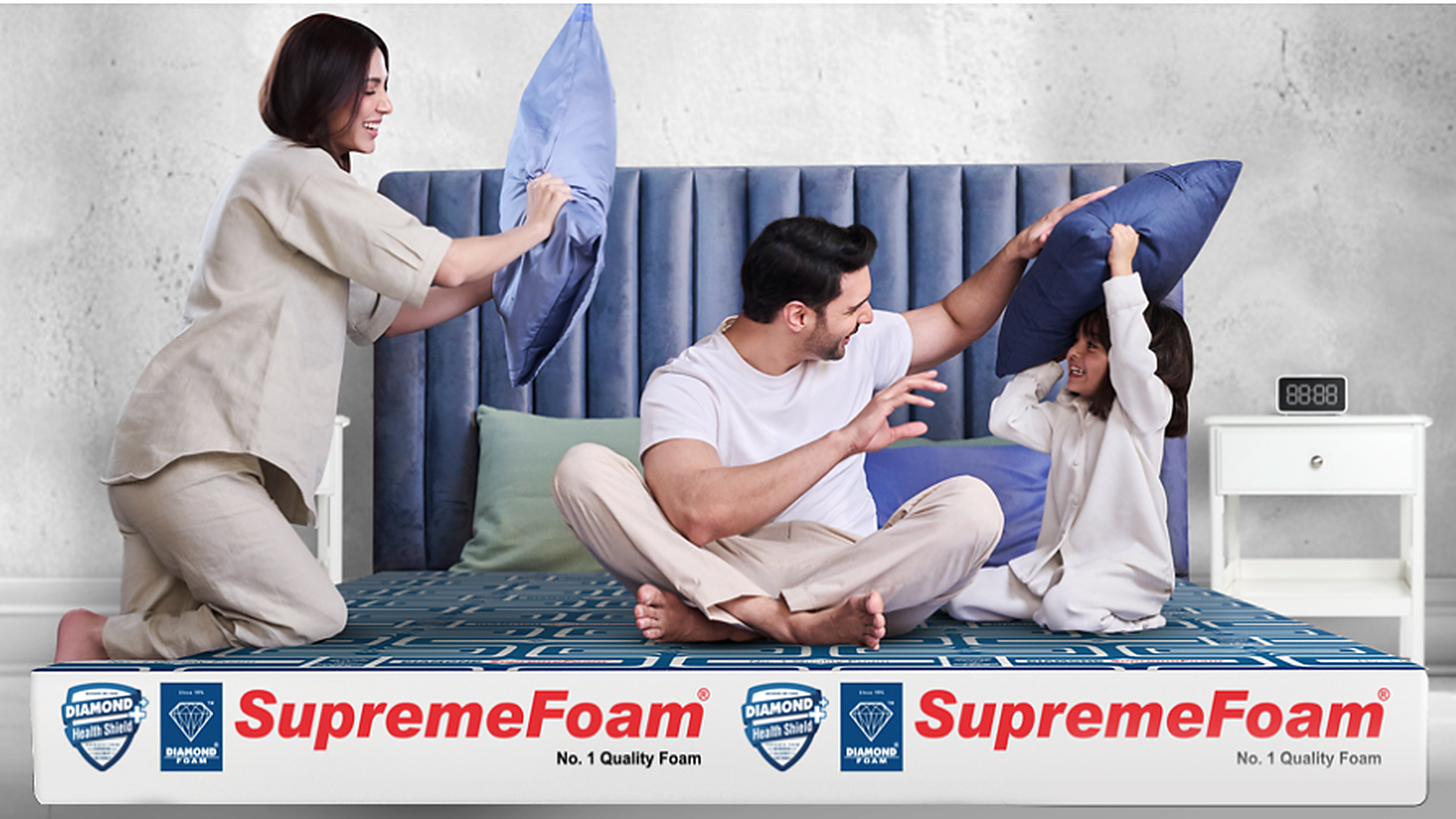
· Brand Reputation: Choosing a manufacturer known for safe, high-quality materials is important. For example, Diamond Supreme Foam is a leading name in Pakistan, engineering mattresses specifically for the local climate by blending orthopedic support with cooling technology. To protect the investment, this advanced quality comes with a hassle-free, no-questions-asked warranty that gives buyers complete peace of mind for the long run.

Essential Tips for Better Sleep Hygiene
Regardless of your mattress type, optimizing your routine dictates the ultimate quality of your rest. To maximize your physical recovery:
1. Rotate the Mattress: Do this every 3 to 6 months to ensure even wear and maximize lifespan.
2. Choose Breathable Bedding: Use high-quality cotton or linen sheets to assist with natural airflow.
3. Maintain Consistency: Try to go to bed and wake up at the same time daily to regulate your natural circadian rhythm.
4. Optimize the Environment: Keep your bedroom cool, dark, and quiet to signal the brain for deep sleep.
Final Thoughts
As we navigate the physical and mental demands of 2026, from high-pressure corporate environments to the daily hustle of urban life. Nowadays rest can no longer be viewed as simple downtime; it is a recovery phase. The above statistics show a clear link between our rising national orthopedic crisis and poor sleep hygiene. Transitioning to specialized memory foam isn’t a matter of luxury; it is a strategic health decision to mitigate chronic back and neck pain.
By prioritizing precise spinal alignment and pressure relief, top-tier brands like Diamond Supreme Foam are bridging the gap between traditional comfort and medical-grade support. In a world that never slows down, your sleep surface is an important tool for long-term health, vitality, and productivity. Upgrading your mattress is, ultimately, an upgrade to your quality of life.
Frequently Asked Questions
1. What is the science behind memory foam?
Memory foam utilizes viscoelastic properties to respond to body heat and weight. It softens upon contact, molding perfectly to your body's unique contours. Once pressure is removed, it slowly returns to its original shape, offering consistent cushioning and support.
2. Is memory foam genuinely good for chronic back pain?
Yes. By facilitating proper spinal alignment and removing excess pressure from the lumbar region, it allows the back muscles to fully relax. Sleep experts frequently recommend it as a non-invasive way to manage chronic back discomfort.
3. Can memory foam be comfortably used in hot weather?
Yes, provided you choose modern formulations. Advanced memory foam features open-cell technology and gel infusions that actively dissipate body heat, making them highly suitable for warm climates.
4. How do I determine which firmness level I need?
Your ideal firmness is determined by your primary sleeping position. Back and stomach sleepers require firmer support to prevent the pelvis from sinking, while side sleepers need a medium-to-soft surface to cradle their pressure points.
5. What is the difference between memory foam and conventional foam?
Conventional foam responds purely to pressure and spring backs instantly, often creating upward resistance against pressure points. Memory foam adapts using both heat and weight, absorbing energy to distribute body weight evenly and minimize motion transfer.